 Manufacturing and Distribution
 Firearms
 Automotive and OEMs
 Healthcare & Life Sciences
 Sports & Outdoor Hunting Gear
 Regulated Industries eCommerce
 Adobe Commerce
 BigCommerce
 Magento
 myMagento
 WooCommerce
 Shopify Plus
 Shopware
 Magento 1 to Magento 2 Migration
 Magento Upgrade Service
 Magento Design
 Magento B2B
 Magento Hosting
 Magento Consulting
 Magento eCommerce Developers
 Magento SEO
 Magento Integration
 Magento Speed & Performance Optimization
 eCommerce Development
 Headless Commerce
 eCommerce GrowthX
 B2B CRO Services
 Enterprise SEO Services
 Email Marketing
 Website Localization Services
 AEO, GEO and AI Search
 AI Tools for Business
 Data Analytics Services
 GrowthX Strategy & Consultancy
 eCommerce Integration
 CRM Integrations
 Accounting Software Integrations
 ERP Integrations
 PIM Integrations
 Payment Gateways Integrations
 Tax Platform Integrations
 eCommerce Site Migrations
 Project Rescue
 Hire Developers
 Free Audit Report
 Extensions & Applications
 Custom Applications for eCommerce
 Magento Extensions
 Security & Fraud Prevention
 User Interface & Experience
 Website Design Services
 Support & Maintenance
 About Us
 Blog
Blog Webinars
 News & Updates
 Downloads
 FAQs
FAQs The Wagento Difference
 Hyvä
Hyvä iPaaS
iPaaS Klaviyo
 Sales Layer
 Sift
Sift Dot Digital
 Nousmedis
 Call
Call Message
Today, eCommerce is important for businesses. It helps them reach more customers and increase sales across diverse ecommerce platforms.
Many people believe that eCommerce companies only build websites. However, they do much more than that with customized ecommerce solutions and deep integrations.
Top e-commerce solution companies do more than just build websites. They focus on strategy, technology, and operations. This includes ecommerce software solutions development, offering complete ecommerce solutions and services, and improving systems over time. This guide explains What Top e Commerce Solutions Companies Actually Do (Beyond Website Development) across strategy, technology, and operations.
This article looks at the many ways these companies help, not just with website development. They provide complete solutions that help businesses succeed with custom ecommerce solutions, web store solutions, and performance optimization.
Summary
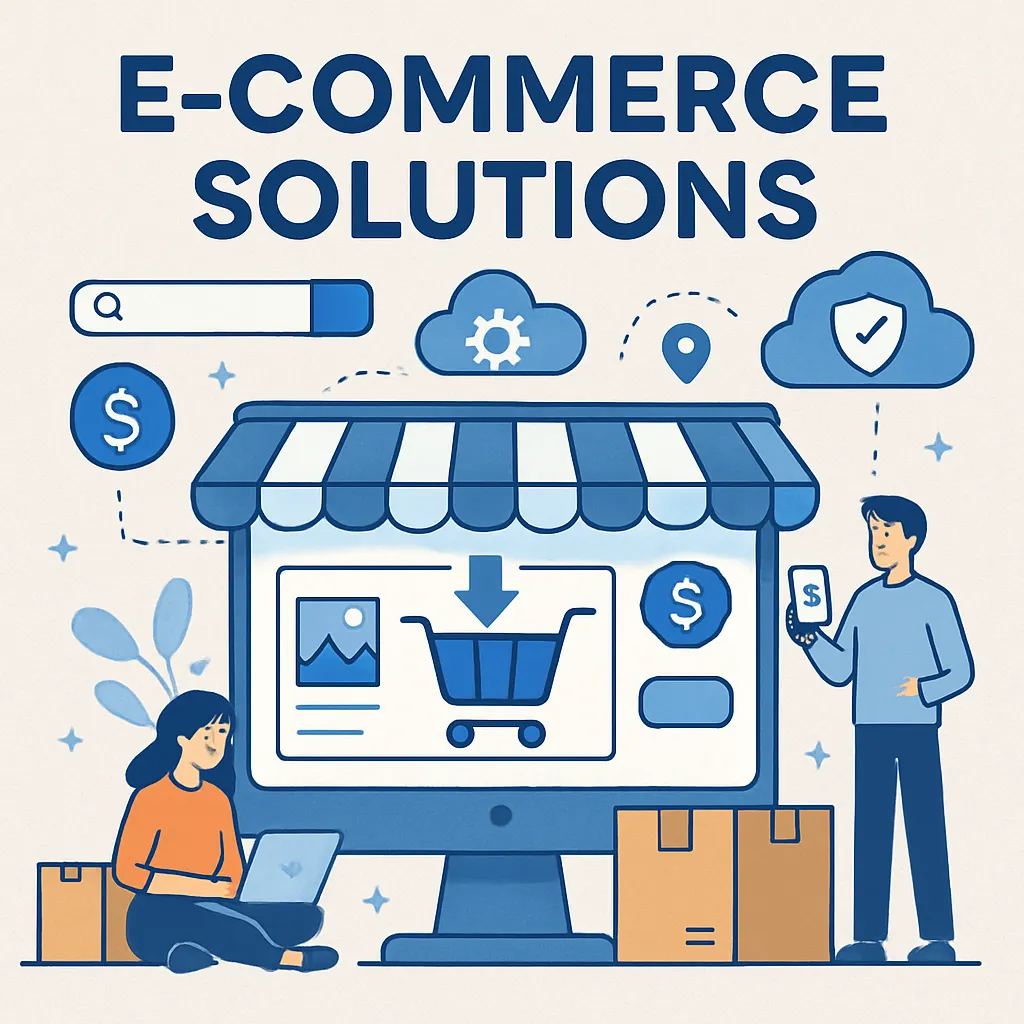
Top eCommerce solutions firms provide end-to-end services that go far beyond site building, including market analysis, strategic roadmapping, conversion rate optimization (CRO or cro), and rigorous data ownership, privacy, and security.
They design online shopping platforms that can grow easily. They create systems for shopping carts and payments that work across different countries and languages. They also connect with ERP/PIM systems, use automation, and apply AI/ML for personalizing experiences and setting prices.
Performance optimization, discovery, and usability are strengthened through speed improvements, ecommerce search solutions, and mobile-first experiences. Finally, they orchestrate global logistics with international shipping, returns, and multi-carrier options, backed by continuous analytics, support, and compliance.
Customized and Bespoke eCommerce Solutions
Every business is unique, and so are its needs.
The best eCommerce companies offer customized online shopping solutions. They create services that fit the unique needs of each business.
Partners create tailored ecommerce solutions for brands. These are also called customized ecommerce solutions or web store solutions. They match the brand’s needs and support the customer’s journey.
These solutions are not only for making an online store. They focus on creating a smooth shopping experience that matches the brand’s identity and goals.
By incorporating brand-specific design elements, personalized user interfaces, and customized features, these companies ensure that the eCommerce platform resonates with the target audience.
Moreover, bespoke solutions involve an in-depth understanding of the business’s operational processes and customer preferences.
This means doing careful market research, looking at what competitors are doing, and understanding how consumers think. The goal is to create a strategy that is different in the busy online market.
These companies also consider scalability, ensuring that the platform can grow and evolve with the business, adapting to new trends and consumer demands.
Additionally, bespoke eCommerce solutions often integrate advanced technologies such as AI and machine learning to personalize the shopping experience further. These technologies can predict customer preferences, tailor product recommendations, and enhance the overall user experience, driving higher engagement and conversion rates.
Comprehensive Market Analysis
Before building an eCommerce solution, it’s imperative to understand the market landscape. Top eCommerce companies conduct a comprehensive market analysis to identify opportunities and threats. This involves studying current market trends, consumer behavior, and the competitive landscape. By gaining insights into these areas, they can develop strategies that position their clients for success in the digital marketplace.
Market analysis also involves understanding the regulatory environment. eCommerce solutions companies keep abreast of the latest regulations and compliance requirements to ensure that their clients’ platforms are legally sound. This proactive approach helps businesses avoid potential legal issues and maintain a positive reputation.
Furthermore, market analysis is a continuous process. As the digital landscape evolves, eCommerce companies regularly update their strategies to reflect the latest trends and technologies. This agility allows businesses to stay ahead of the competition and adapt to changing consumer demands.
Strategic Planning and Roadmapping
Strategic planning and roadmapping are crucial components of eCommerce development. eCommerce solutions companies work closely with their clients to define clear objectives and create a roadmap for achieving them.
This includes setting goals for the short term and long term. It also means finding important measures to track progress and deciding when to start.
A well-defined roadmap provides a clear direction for the project and ensures that all stakeholders are aligned. It also helps prioritize tasks and allocate resources effectively, minimizing delays and maximizing efficiency.
A strategic plan helps businesses make good decisions. It allows them to adapt to market changes with confidence.
In addition to planning, eCommerce solutions companies provide ongoing support and guidance throughout the project. They monitor progress, analyze results, and make adjustments as needed to ensure that the project stays on track and delivers the desired outcomes.
The Importance of CRO and Data Ownership
Conversion Rate Optimization (CRO)
Conversion Rate Optimization (CRO) is a critical component of eCommerce success. CRO involves analyzing user behavior on a website to identify areas for improvement and implementing strategies to increase the percentage of visitors who complete desired actions, such as making a purchase. By focusing on CRO, eCommerce solutions companies help businesses maximize their return on investment and enhance customer satisfaction.
The process of CRO begins with data collection. eCommerce companies use various tools to gather data on user interactions, such as click-through rates, bounce rates, and session duration. This data is then analyzed to identify patterns and trends that can inform optimization strategies. For example, if many users leave their carts at a certain point in the checkout, it might mean there is a problem with how easy it is to use. This issue should be fixed.
- Once the data has been analyzed, eCommerce companies develop and implement strategies to improve conversion rates. This may involve redesigning website elements, optimizing content, or introducing new features to enhance the user experience. A/B testing is often used to evaluate the effectiveness of these changes and identify the best-performing strategies.
In addition to improving conversion rates, CRO can also enhance customer satisfaction. By addressing pain points and streamlining the user experience, eCommerce companies can create a more enjoyable shopping experience for their customers. This not only increases the likelihood of conversion but also encourages repeat business and fosters customer loyalty.
Data Ownership and Management
In the digital age, data is a valuable asset. Top eCommerce solutions companies ensure that businesses have full ownership and control over their data. This involves setting up secure systems for data collection, storage, and analysis, enabling businesses to make informed decisions and personalize their marketing efforts.
- Data ownership is essential for maintaining control over business operations. eCommerce companies implement secure data management systems that allow businesses to access and analyze their data at any time. This transparency provides valuable insights into customer behavior, sales trends, and marketing performance, enabling businesses to make data-driven decisions that drive growth.
- In addition to data ownership, eCommerce companies also focus on data privacy and security. They implement robust security measures to protect sensitive information and ensure compliance with data protection regulations, such as GDPR and CCPA. This proactive approach helps businesses build trust with their customers and maintain a positive reputation in the market.
- Furthermore, eCommerce companies offer data analysis and reporting services to help businesses make sense of their data. They provide detailed reports and actionable insights that can inform marketing strategies, product development, and customer engagement efforts. By leveraging data effectively, businesses can stay ahead of the competition and achieve long-term success.
Personalization and Customer Segmentation
Personalization is a key factor in enhancing the eCommerce experience. eCommerce solutions companies use data to create personalized experiences for customers, tailoring content, recommendations, and promotions to individual preferences. This level of customization not only improves the user experience but also increases engagement and conversion rates.
- Customer segmentation is an essential part of personalization. eCommerce companies analyze customer data to identify distinct segments based on demographics, behavior, and preferences. By understanding the unique needs of each segment, businesses can develop targeted marketing strategies that resonate with their audience.
- In addition to improving customer satisfaction, personalization can also drive business growth. By delivering relevant and timely content, businesses can increase customer retention and encourage repeat purchases. This not only boosts sales but also strengthens brand loyalty and fosters long-term relationships with customers.
Advanced Shopping Cart and Payment Systems
Shopping Cart Systems
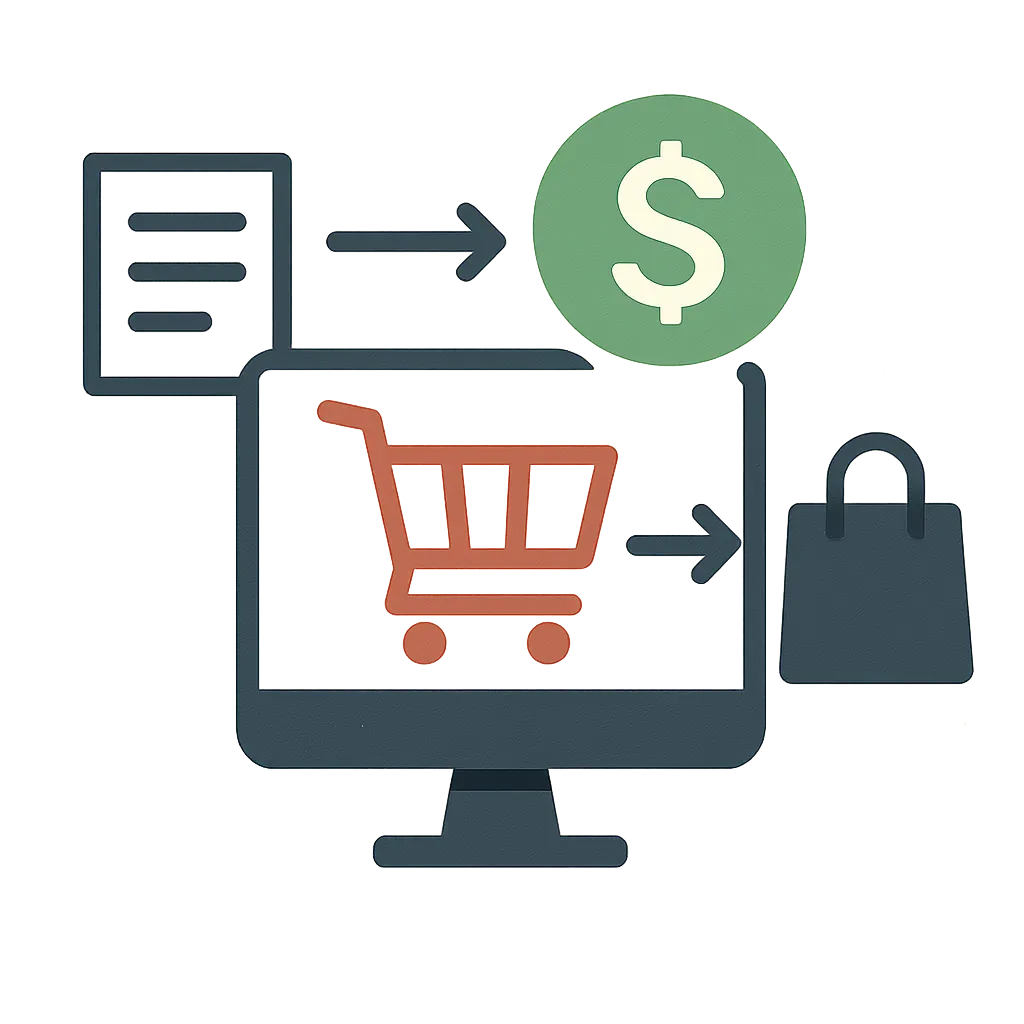
An efficient shopping cart system is crucial for any eCommerce store. It should be user-friendly, secure, and capable of handling various payment methods. eCommerce solutions companies develop and integrate robust shopping cart systems that cater to different currencies and payment preferences, ensuring a smooth checkout experience for customers.
- A seamless shopping cart experience begins with intuitive design. eCommerce companies focus on creating a user-friendly interface that guides customers through the checkout process with ease. This includes clear navigation, concise product information, and straightforward payment options. By minimizing friction and simplifying the process, businesses can reduce cart abandonment rates and increase conversions.
- In addition to usability, security is a top priority for shopping cart systems. eCommerce companies implement advanced security measures to protect sensitive customer information, such as encryption, SSL certificates, and fraud detection tools. This not only safeguards customer data but also builds trust and confidence in the brand.
- Furthermore, eCommerce companies offer flexible payment options to accommodate diverse customer preferences. This includes integrating with popular payment gateways, such as PayPal, Stripe, and Apple Pay, and supporting multiple currencies for international transactions. By offering a variety of payment methods, businesses can cater to a global audience and maximize sales potential.
Cross-Border eCommerce Solutions
With globalization, businesses are no longer confined to local markets. eCommerce solutions companies specialize in cross-border eCommerce solutions—also called cross border ecommerce solutions—that enable businesses to reach international customers. This includes handling multiple currencies, languages, and regional compliance requirements to facilitate seamless international transactions.
- Expanding into international markets requires careful planning and execution. eCommerce companies conduct market research to identify target markets and assess demand for products. They also analyze cultural and economic factors to develop tailored strategies that resonate with local audiences.
- In addition to market research, eCommerce companies handle the technical aspects of cross-border transactions. This includes integrating with international payment gateways, managing currency conversion, and ensuring compliance with regional regulations, such as VAT and customs duties. By addressing these challenges, businesses can offer a seamless shopping experience to international customers and tap into new revenue streams.
- Cultural adaptation is another critical aspect of cross-border eCommerce. eCommerce companies work with localization experts to translate content, adapt marketing materials, and tailor product offerings to meet the preferences of local audiences. This personalized approach enhances the user experience and increases the likelihood of conversion.
Secure and Diverse Payment Solutions
In today’s digital economy, offering secure and diverse payment options is essential for meeting customer expectations. eCommerce solutions companies implement payment systems that prioritize security and convenience, ensuring that customers can complete transactions with confidence.
- Security is a top concern for online shoppers. eCommerce companies employ advanced security measures, such as encryption and tokenization, to protect sensitive payment information. They also work with reputable payment gateways that offer additional layers of security, such as fraud detection and chargeback protection.
- In addition to security, eCommerce companies prioritize convenience by offering a variety of payment options. This includes traditional methods, such as credit and debit cards, as well as digital wallets, bank transfers, and alternative payment options, such as cryptocurrency. By catering to diverse payment preferences, businesses can enhance the customer experience and increase conversion rates.
Integrations and Automation for Efficiency
ERP/PIM Integrations
Integrating eCommerce platforms with Enterprise Resource Planning (ERP) and Product Information Management (PIM) systems is vital for streamlining operations. These integrations allow businesses to manage inventory, orders, and customer data efficiently, reducing manual effort and minimizing errors.
- ERP integrations provide a comprehensive view of business operations, enabling businesses to manage resources, finances, and supply chains effectively. By automating routine tasks, such as order processing and inventory management, businesses can reduce operational costs and improve efficiency.
- PIM integrations, on the other hand, streamline product information management. These systems centralize product data, ensuring consistency and accuracy across all channels. This not only enhances the customer experience but also simplifies catalog management and reduces time-to-market for new products.
- In addition to operational efficiency, ERP and PIM integrations offer valuable insights into business performance. eCommerce companies provide detailed reports and analytics that help businesses make data-driven decisions and optimize their operations for growth.
Automation in eCommerce
Automation is a game-changer in eCommerce, helping businesses save time and resources. eCommerce solutions companies implement automation tools for various processes, such as inventory management, order processing, and customer communication. This not only enhances operational efficiency but also improves the overall customer experience.
- Inventory management automation helps businesses maintain optimal stock levels, reducing the risk of overstocking or stockouts. Automated systems track inventory in real-time, providing accurate data on stock levels and enabling businesses to make informed purchasing decisions.
- Order processing automation streamlines the fulfillment process, reducing the time and effort required to process orders. Automated systems generate invoices, update order statuses, and manage shipping logistics, ensuring that orders are fulfilled quickly and accurately.
- Customer communication automation enhances the customer experience by providing timely and personalized interactions. Automated systems send order confirmations, shipping updates, and promotional messages, keeping customers informed and engaged throughout the buying journey.
AI and Machine Learning Applications
Artificial intelligence (AI) and machine learning are transforming the eCommerce landscape. eCommerce solutions companies leverage these technologies to enhance various aspects of the customer experience, from product recommendations to customer support.
- AI-powered recommendation engines analyze customer data to deliver personalized product suggestions. By understanding customer preferences and behavior, these systems can predict which products are most likely to interest each customer, increasing the likelihood of conversion.
- Machine learning algorithms are also used to optimize pricing strategies. By analyzing market trends, competitor pricing, and customer demand, these algorithms can dynamically adjust prices to maximize sales and profitability.
- In addition to personalization and pricing, AI and machine learning are used to enhance customer support. Chatbots and virtual assistants provide instant responses to customer inquiries, improving response times and reducing the workload on support teams. By automating routine tasks, businesses can focus on providing exceptional customer service and building long-term relationships with their customers.
Enhancing Performance and Optimization

Performance Optimization
A slow-loading website can lead to lost sales and frustrated customers. Performance optimization is a key focus area for eCommerce solutions companies. They employ techniques such as caching, image optimization, and content delivery networks (CDNs) to ensure that websites load quickly and run smoothly, even during peak traffic periods.
- Caching involves storing frequently accessed data in temporary storage, reducing the time it takes to retrieve information. This technique speeds up page load times and improves the overall user experience, especially for returning visitors.
- Image optimization is another critical aspect of performance optimization. eCommerce companies compress and resize images to reduce file sizes without compromising quality. This ensures that images load quickly, enhancing the visual appeal of the website and improving user engagement.
- Content delivery networks (CDNs) distribute website content across multiple servers worldwide, reducing latency and improving load times for users in different regions. By leveraging CDNs, eCommerce companies can ensure that their websites perform consistently well, regardless of location.
eCommerce Search Solutions
Effective search functionality is essential for helping customers find products quickly and easily. eCommerce solutions companies develop advanced search solutions that include features like autocomplete, filters, and personalized recommendations, enhancing the user experience and increasing conversion rates. These ecommerce search solutions are tuned to business goals and merchandising rules.
- Autocomplete suggestions help users find products faster by displaying relevant search terms as they type. This feature not only speeds up the search process but also reduces the likelihood of spelling errors and improves search accuracy.
- Filters allow users to refine their search results based on specific criteria, such as price, brand, or category. By providing a variety of filtering options, eCommerce companies enable customers to find products that meet their specific needs, enhancing the shopping experience and increasing the likelihood of conversion.
- Personalized recommendations are another valuable feature of eCommerce search solutions. By analyzing customer behavior and preferences, eCommerce companies can deliver tailored product suggestions that align with each customer’s interests. This level of personalization not only improves the user experience but also increases the likelihood of upselling and cross-selling.
Mobile Optimization
With the increasing use of mobile devices for online shopping, mobile optimization is a top priority for eCommerce solutions companies. Mobile optimization involves designing websites and applications that provide a seamless experience on smartphones and tablets.
- Responsive design is a key aspect of mobile optimization. eCommerce companies create websites that automatically adjust to different screen sizes, ensuring that content is displayed correctly on all devices. This enhances the user experience and reduces the likelihood of cart abandonment due to poor mobile performance.
- In addition to responsive design, eCommerce companies focus on mobile-specific features, such as touch-friendly navigation, easy-to-use forms, and mobile payment options. By catering to the unique needs of mobile users, businesses can capture a larger share of the mobile market and increase their overall sales potential.
Comprehensive Solutions for International Shipping
eCommerce International Shipping Solutions
Shipping is a critical component of the eCommerce experience, especially for businesses operating internationally. eCommerce solutions companies offer comprehensive ecommerce international shipping solutions that address logistics, customs, and delivery challenges. By partnering with reliable carriers and leveraging technology, they ensure that products reach customers promptly and cost-effectively.
- Logistics management is a key aspect of international shipping. eCommerce companies work with logistics providers to coordinate the movement of goods across borders, ensuring that shipments are delivered on time and in good condition. This involves selecting the most efficient shipping routes, managing inventory levels, and optimizing delivery schedules.
- Customs compliance is another critical consideration for international shipping. eCommerce companies ensure that shipments comply with all relevant regulations, including tariffs, duties, and import/export restrictions. By navigating the complexities of customs procedures, businesses can avoid delays and minimize the risk of fines or penalties.
- Delivery optimization is also essential for providing a positive customer experience. eCommerce companies leverage technology to track shipments in real-time, providing customers with accurate delivery estimates and updates. This transparency builds trust and confidence in the brand, encouraging repeat business and fostering customer loyalty.
Global Returns Management
Managing returns on a global scale can be challenging, but it’s essential for maintaining customer satisfaction. eCommerce solutions companies offer global returns management services that simplify the process for both businesses and customers.
- A clear and transparent returns policy is the foundation of effective returns management. eCommerce companies work with their clients to develop policies that outline the terms and conditions of returns, including timeframes, conditions, and refund options. This clarity helps set customer expectations and reduces the likelihood of disputes.
- Returns logistics is another critical aspect of global returns management. eCommerce companies coordinate with logistics providers to handle the movement of returned goods, ensuring that they are processed efficiently and cost-effectively. This includes selecting the most appropriate return shipping methods and managing inventory levels to accommodate returned items.
- In addition to logistics, eCommerce companies provide customer support throughout the returns process. This includes offering assistance with return requests, providing updates on the status of returns, and resolving any issues that may arise. By delivering exceptional customer service, businesses can build trust and foster long-term relationships with their customers.
Multi-Carrier Shipping Solutions
In today’s fast-paced eCommerce environment, offering flexible and reliable shipping options is essential for meeting customer expectations. eCommerce solutions companies provide multi-carrier shipping solutions that enable businesses to offer a variety of delivery options to their customers.
- Multi-carrier shipping solutions integrate with multiple carriers, allowing businesses to compare rates, delivery times, and service levels. This flexibility enables businesses to select the best carrier for each shipment, ensuring that products are delivered efficiently and cost-effectively.
- In addition to cost savings, multi-carrier shipping solutions enhance the customer experience by providing a range of delivery options. This includes standard, expedited, and same-day delivery, as well as alternative delivery methods, such as click-and-collect or locker pickup. By offering a variety of shipping options, businesses can cater to diverse customer preferences and increase customer satisfaction.
- Furthermore, multi-carrier shipping solutions provide real-time tracking and reporting capabilities, allowing businesses to monitor the status of shipments and provide customers with accurate delivery updates. This transparency builds trust and confidence in the brand, encouraging repeat business and fostering customer loyalty.
Conclusion
The role of eCommerce solutions companies extends far beyond website development. These companies offer a wide array of services, from customized solutions and CRO to data management, integrations, and international shipping. By partnering with a top eCommerce solutions company, businesses can unlock the full potential of their online presence and achieve sustainable growth in the competitive digital marketplace. Many partners package these capabilities as end-to-end ecommerce solutions and services that cover technology, operations, and growth.
In summary, understanding the full spectrum of services provided by eCommerce solutions companies can help businesses make informed decisions and leverage the right tools and strategies for success. Whether you’re a small business looking to expand your online presence or an established brand aiming to optimize your eCommerce operations, these companies offer the expertise and resources needed to thrive in the digital age. They provide a holistic approach that considers every aspect of the eCommerce journey, from initial planning and development to ongoing optimization and support.
By collaborating with an eCommerce solutions company, businesses can focus on their core competencies while leveraging the latest technologies and strategies to enhance their online presence. This partnership not only drives sales and revenue growth but also strengthens brand reputation and fosters customer loyalty. In a rapidly evolving digital landscape, eCommerce solutions companies play a vital role in helping businesses stay ahead of the competition and achieve long-term success.