
 Manufacturing and Distribution
 Firearms
 Automotive and OEMs
 Healthcare & Life Sciences
 Sports & Outdoor Hunting Gear
 Regulated Industries eCommerce
 Adobe Commerce
 BigCommerce
 Magento
 myMagento
 WooCommerce
 Shopify Plus
 Shopware
 Magento 1 to Magento 2 Migration
 Magento Upgrade Service
 Magento Design
 Magento B2B
 Magento Hosting
 Magento Consulting
 Magento eCommerce Developers
 Magento SEO
 Magento Integration
 Magento Speed & Performance Optimization
 eCommerce Development
 Headless Commerce
 eCommerce GrowthX
 B2B CRO Services
 Enterprise SEO Services
 Email Marketing
 Website Localization Services
 AEO, GEO and AI Search
 AI Tools for Business
 Data Analytics Services
 GrowthX Strategy & Consultancy
 eCommerce Integration
 CRM Integrations
 Accounting Software Integrations
 ERP Integrations
 PIM Integrations
 Payment Gateways Integrations
 Tax Platform Integrations
 eCommerce Site Migrations
 Project Rescue
 Hire Developers
 Free Audit Report
 Extensions & Applications
 Custom Applications for eCommerce
 Magento Extensions
 Security & Fraud Prevention
 User Interface & Experience
 Website Design Services
 Support & Maintenance
 About Us
 Blog
Blog Webinars
 News & Updates
 Downloads
 FAQs
FAQs The Wagento Difference
 Hyvä
Hyvä iPaaS
iPaaS Klaviyo
 Sales Layer
 Sift
Sift Dot Digital
 Nousmedis
 Call
Call Message
Tax Platform Integrations for eCommerce without Surprises
Stay Compliant without Slowing Growth
Tax platform integrations for eCommerce connect your store with automated tax systems to calculate, collect, and report taxes accurately. They reduce compliance risk, eliminate manual errors, and give finance teams confidence as regulations and sales volumes grow.







Take Tax Worry Off the Table
Tax compliance becomes increasingly complex as eCommerce businesses scale across states, countries, and channels. Different tax rates, nexus rules, exemptions, and reporting requirements make manual tax handling risky and time-consuming.
Without proper tax integration, businesses face calculation errors, delayed filings, audit exposure, and compliance penalties. Tax platform integrations automate tax determination at checkout and ensure transactions are recorded correctly for reporting.
This allows businesses to stay compliant without slowing down operations, while finance and legal teams gain confidence that tax obligations are being handled accurately and consistently.
Make Tax Platform Integrations Work for You
Tax platform integrations connect your eCommerce platform with specialized tax engines using secure APIs.
During checkout, tax is calculated in real time based on product type, customer location, and applicable regulations. Transaction data is then synchronized for reporting, filing, and audit purposes. Advanced integrations support exemptions, marketplace rules, cross-border taxes, and changing jurisdiction requirements.
A well-designed tax integration operates silently in the background, ensuring accuracy without impacting checkout performance or customer experience.
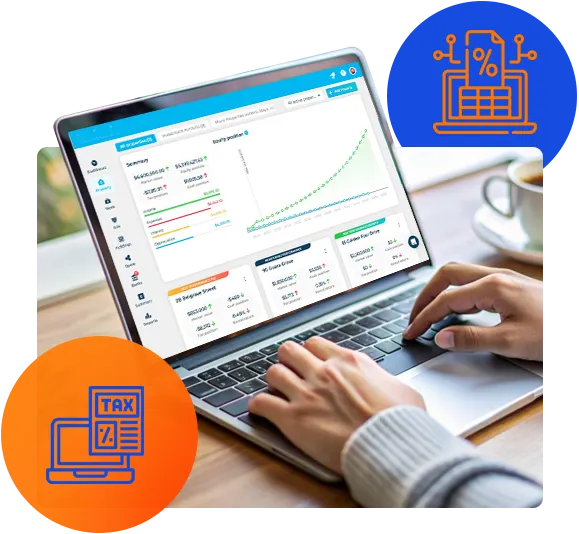

Tax Accuracy is a Part of Scaling
Many businesses struggle with incorrect tax calculations, inconsistent rates across channels, exemption handling, and manual reconciliation during filing periods. These issues become more severe as sales expand into new regions or marketplaces.
We solve these challenges by designing tax integrations that align with your product catalog, customer profiles, and transaction workflows.
Our approach focuses on accuracy, reliability, and audit readiness, ensuring tax data is traceable and compliant. The result is reduced risk, fewer surprises, and smoother collaboration between finance, legal, and operations teams.
Core Tax Platform Integration Capabilities

Real-time tax calculation
Automatically calculate accurate taxes at checkout based on location, product type, and regulations.

Multi-region tax compliance
Support state, national, and international tax requirements as your business expands.

Exemption and rule handling
Manage customer exemptions, tax holidays, and special rules without manual overrides.
Support Finance Teams with Clear Tax Data
Build tax platform integrations that keep compliance accurate, automated, and stress-free.


Testimonials
What Our Clients are Saying
Hear from clients about working with us; don’t take our word for it.


Wagento consistently rises to the challenge. They translated our vision into a stunning website, and their ongoing development support keeps the experience seamless for our clients and retailers. Partha and his team handle requests with speed and real attention to detail.
Amanda Pehrson
Digital Marketing Manager, Hyde Park Jewelers

Working with Miguel and the Wagento team has been integral to our site transition. We appreciate the open communication and the dedication to helping us customize our site while staying on track. We could not have launched without them.
Marie Whelan
Digital Marketing Manager, SERRV International

When we needed to migrate to Magento 2, we turned to Wagento. They did an excellent job, allowing us to maintain our competitive edge with the latest technology and virtually no downtime during the transition.
Ron Salmon
Owner, Bus Depot, Inc.
FAQs
Answers to common questions about tax integrations, compliance accuracy, and scaling eCommerce safely.
FAQs Frequently Asked Questions About Tax Platform Integrations
Tax platform integration in eCommerce connects your online store with automated tax engines so tax calculation, collection, and reporting happen accurately and consistently. During checkout, the integration applies the correct tax rules based on product type, customer location, and jurisdiction. Transaction data is then recorded and synchronized for reporting and audits. This approach gives finance teams reliable tax data, supports accurate filings, and allows the business to scale sales while maintaining confidence in compliance.