




















Summary
This article explains how the pandemic has accelerated the shift to online shopping and why small businesses need a fast, robust ecommerce presence. It highlights Magento’s strengths—customization, ease of use, headless flexibility (headless commerce), and a strong developer community—then outlines practical steps: adopting a headless, API-based setup; enabling Click & Collect and diverse shipping; and optimizing design, imagery, and responsiveness. It also references Magento solutions that help teams launch faster. It emphasizes partnering with experienced Magento developers and using marketplace integrations to launch quickly and scale. Real-world successes underscore Magento’s ability to drive sales and improve customer engagement. When speed matters, collaborating with a headless ecommerce development agency can further streamline delivery.
Understanding the Shift to Online Shopping

The Impact of the Pandemic on Retail
As small businesses across the nation strive to keep their doors open amid the coronavirus pandemic, there has been a massive shift in consumer behavior. The necessity for social distancing has driven shoppers to seek alternatives to in-person shopping, resulting in a significant increase in online purchases. This trend has made it imperative for businesses to adapt swiftly and establish a robust online presence.
Consumer Preferences for Online Purchases
Shoppers increasingly prefer the convenience of online ordering combined with options such as in-store pickup or direct delivery. To meet this growing demand, businesses must quickly transition to online platforms that allow for a seamless customer experience.
The Benefits of Using Magento Solutions

Customization and Ease of Use
Magento is a powerful ecommerce platform designed to cater to businesses of all sizes, particularly small and medium enterprises looking for flexibility and customization. With out-of-the-box Magento solutions and thoughtful defaults, its user-friendly interface enables even those with no coding experience to create efficient and visually appealing online stores.
Magento’s Strong Community and Support
With a vibrant community of developers and a plethora of resources available, it offers continuous support and updates. This ensures that businesses can stay ahead of market trends and leverage the latest features to enhance their online presence.
Flexibility of a Headless Ecommerce Platform
One standout feature is the ability to operate as a headless ecommerce platform. This means that the frontend (user interface) is separate from the backend (server-side functions), allowing businesses to innovate rapidly and make adjustments without disrupting overall site performance.
Setting Up Your Store with Magento

1. Setting Up a Headless Ecommerce Platform
To begin your journey with the platform, the first step is to set up a headless ecommerce platform. This API-based approach allows for greater flexibility, enabling developers to make frontend changes without affecting the backend.
Overview of Headless Ecommerce
Headless ecommerce offers distinct advantages, including deep personalization for customers, improved scalability, and optimized omnichannel strategies, leading to a more tailored shopping experience. This approach is also known as headless commerce and pairs well with modern storefront frameworks.
Advantages of API-Based Architecture
API-based architecture simplifies the integration of various third-party services, enhancing the capabilities of your online store and ensuring it can grow alongside your business.
2. Implementing Pickup and Delivery Options
The platform comes equipped with two crucial features for small businesses: Click & Collect and standard delivery methods, making it easier for customers to receive their orders.
Click & Collect Feature
The Click & Collect feature allows customers to place orders online and pick them up at the physical store, bridging the gap between in-store and online shopping experiences.
Shipping Methods Offered by the Platform
For those who prefer home delivery, the platform provides various shipping options, including flat rates, table rates, and integrations with major carriers such as USPS, UPS, FedEx, and DHL. This flexibility enhances the customer experience and aids in retaining loyalty.
3. Customizing Your Online Store
After setting up products and payment options, it’s essential to focus on customizing and optimizing your online store’s aesthetics and functionality.
Selecting Themes and Design
Choosing an appealing theme that reflects your brand identity while following web design best practices can significantly impact user engagement and conversion rates.
Importance of High-Quality Product Images
Utilizing high-quality images allows customers to have a clear understanding of what they are purchasing, enhancing their trust and driving sales.
Ensuring a Responsive User Experience
A responsive design ensures that your website functions seamlessly across various devices, catering to customers’ preferences and enhancing their shopping experience.
Leveraging Magento Developers for Success

Choosing the Right Development Partner
Partnering with experienced Magento developers or a headless ecommerce development agency can streamline the process of building your online store. They offer tailored solutions that align with your business goals and ensure the effective use of the platform’s features.
Collaborating with Magento Experts
Companies like Wagento provide structured support to help businesses transition online quickly. Their team of professionals can help you plan projects, access the necessary resources, and go live in 30 days or less.
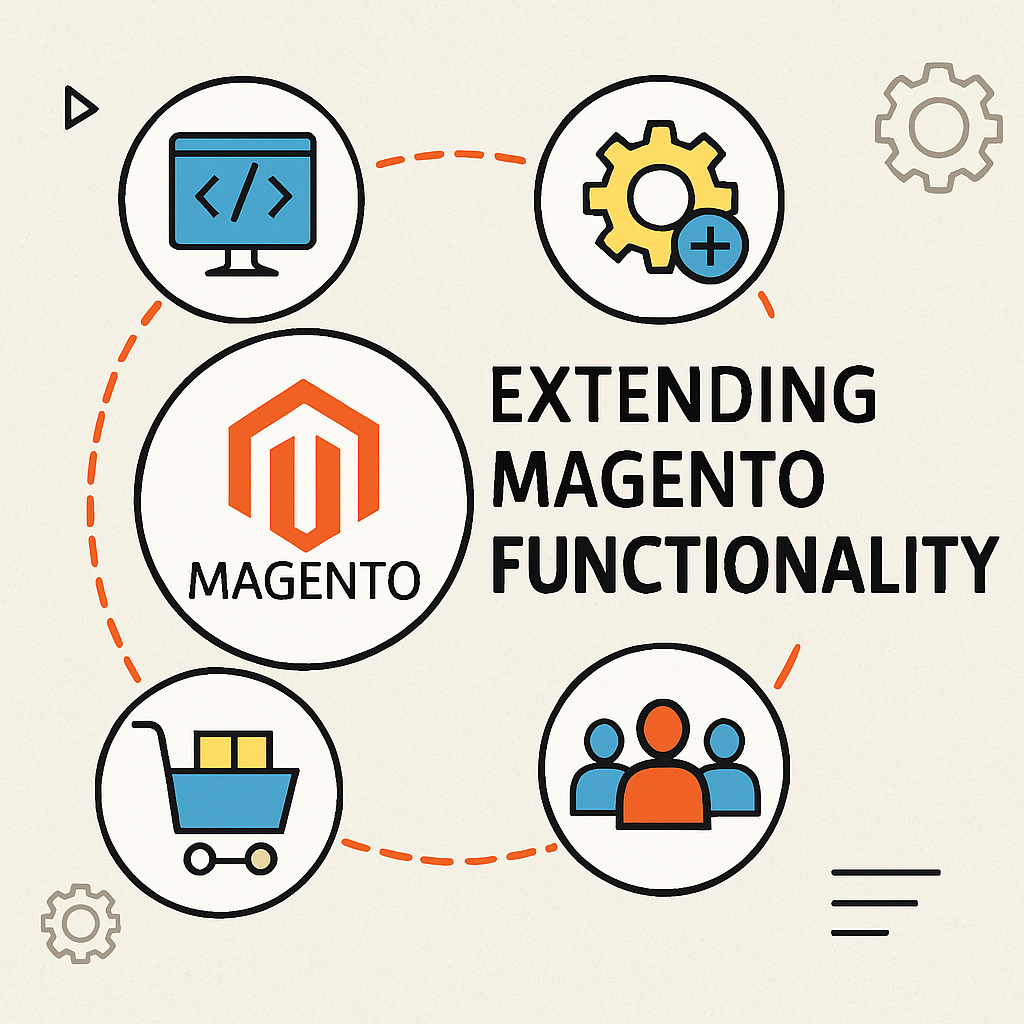
Extending Magento Functionality
Integrations through Magento Marketplace
Magento Marketplace offers numerous third-party extensions that can further enhance your store’s capabilities, from marketing tools to analytics solutions.
Enhancing Capabilities with Additional Tools
These integrations allow for greater customization and enhance functionalities, making it easier for businesses to adapt to market changes and customer preferences.
Case Studies of Successful Magento Implementations
Businesses that have successfully transitioned to Magento have reported increased sales and improved customer engagement. These case studies serve as inspiration for companies looking to make a similar shift online.
Final Thoughts on Moving Your Business Online with Magento
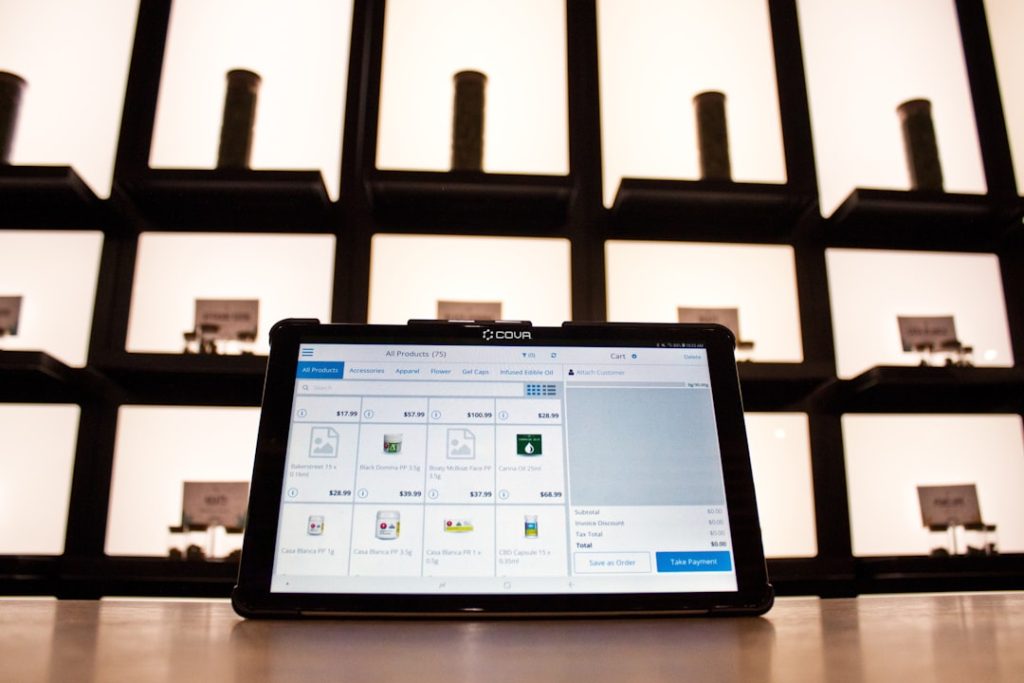
Transitioning to an online store is not merely a necessity; it’s an opportunity to grow and thrive in a changing retail landscape. Magento provides robust solutions for businesses to establish their online presence quickly, allowing them to adapt to new consumer behaviors while maintaining high quality and responsiveness through modern approaches such as headless commerce. For further information and support, consider reaching out to experts like Wagento to help ensure a smooth transition.