



















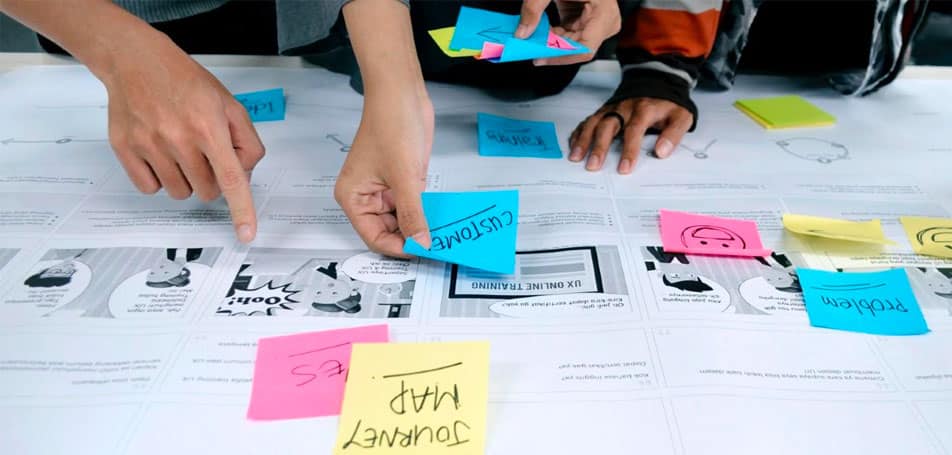
The process of earning a customer can be fairly complex. It isn’t generally as simple as a shopper spotting your store and choosing to buy. It’s more likely to involve a lengthy series of steps going all the way from initial brand exposure to completed checkout: steps that can take days, weeks, or even months to come to fruition.
Because of this, and because of the challenge inherent to eCommerce (the world of online retail is extremely competitive), every merchant should be thinking about the overall customer journey. The more consistent it is, the more likely it is to produce conversions and happy customers — both being vitally important for long-term success.
So how do you create a consistent customer journey? Well, it’s all about ensuring you have the right ingredients, so let’s take a look at 6 inarguable must-haves:
Responsive designs
Convenience lies at the heart of eCommerce, and shoppers have come to expect seamless experiences when they buy online — regardless of the devices or operating systems, they’re using. Since a customer journey can span multiple devices (for instance, someone can see a product ad on their Windows desktop, visit the store page on their MacBook, then place an order on their Android phone), your store designs need to look good in all situations.
Adherence to brand guidelines
Whether it’s the color scheme you’re using or the tone you’re trying to convey through your copy, you need to stick to the same elements throughout your entire online presence. This can be difficult to achieve, particularly when different people are responsible for different materials, so you need a set of brand guidelines setting out everything that defines your brand — then you need to ensure that everything you put out adheres to it.
Content tailored to context
What is the customer looking to find in your content? That entirely depends on the context. If they’re still in the information-gathering stage, trying to learn more about whatever you claim to bring to the table, then they’ll want to see facts, figures, charts, expert social proof, etc. If they’ve collected all the information they need, however, then they might be searching for something to convince them: an emotive argument, appealing visuals, some kind of sweetener to seal the deal. You’re looking for consistency of experience, not necessarily of content type, so ensure that the customer is always getting the kind of content they want at that time.
Easy-to-reach support
At any stage of your customer journey, someone might want to reach out to you for assistance. They might have only just learned about your brand but be too busy to browse more and want to speak directly to your sales team. Alternatively (and more commonly), they might have made it part of the way through your sales funnel and want some reassurance about something they’ve read or a feature they don’t quite understand. Accordingly, you need to hire support staff with the right customer service skills (whether in-house or outsourced), and make a commitment to establishing your brand as trustworthy, reliable, and communicative.
A high-performance CDN
Slow loading speeds and mediocre UI performance are conversion killers. Make shoppers wait too long and they’ll simply give up, and this can happen at any time during a customer journey. The purpose of a CDN, or content delivery network, is to store page data in convenient locations throughout the web to improve performance — the better the CDN, the better the performance. Take a look at this selection of CDNs and think about what you can afford and will work optimally well with your system.
Cross-channel links
Think about all the channels that a customer journey can span: your store, any additional landing pages, each of your social media accounts, your marketing emails, your blog, other blogs or websites that might host or share your content, etc. Because customer journeys can vary so much, you need every channel to link to as many other channels as is practical — for instance, your Twitter page should link to your website, your YouTube page, and your other social media pages, in addition to providing a link to sign up for your email newsletter.
If you can make good use of each of these inclusions, you’ll be able to build a general customer journey that’s extremely consistent when it comes to tone, performance, design, convenience, and accessibility. The more you work on creating better customer experiences, the more your conversion rate will benefit, so it’s worth the investment.